CALL (503) 822-7567
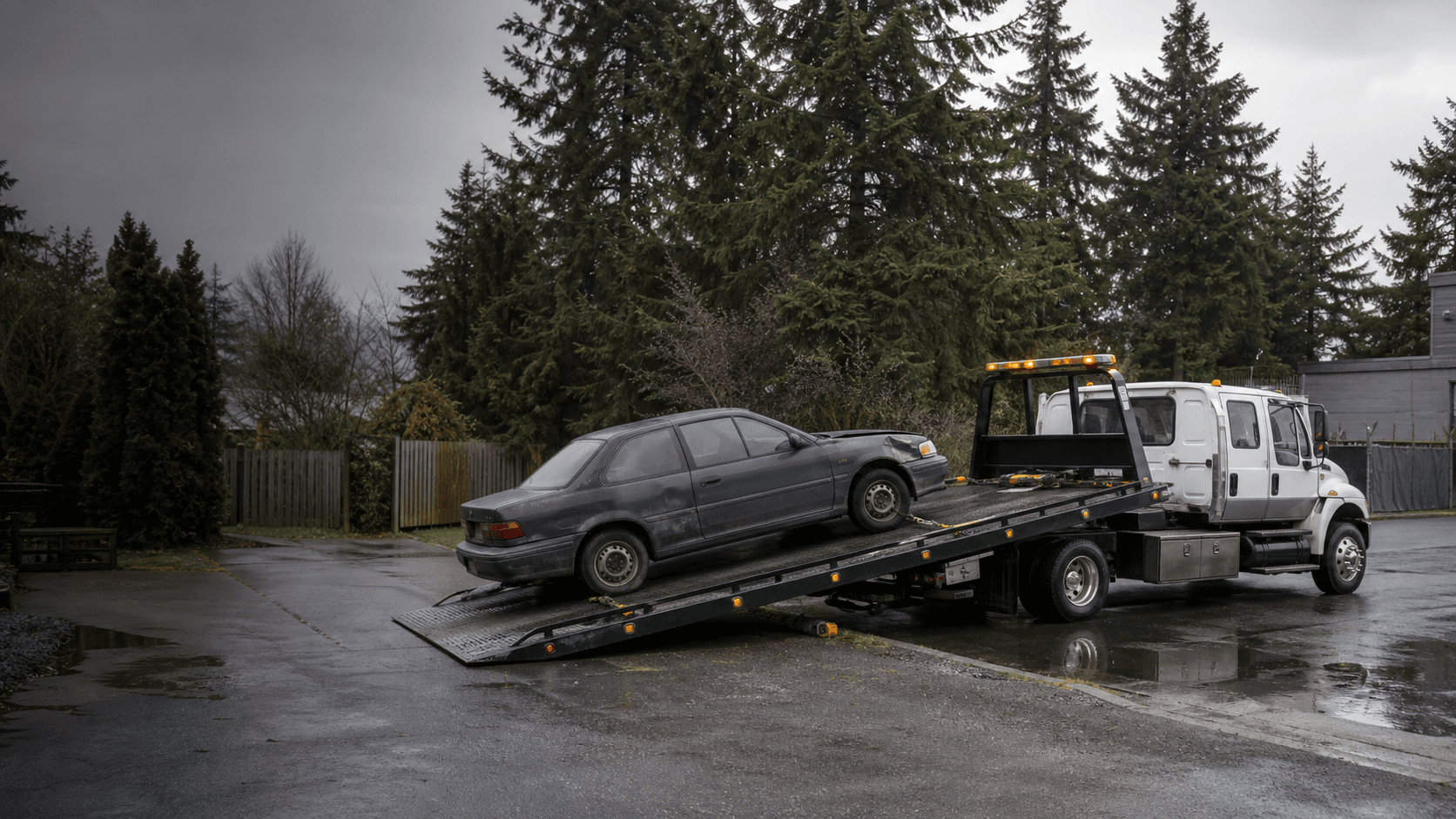
Older damaged car prepared for Oregon pickup: Salvage and Totaled Cars in Oregon

DAMAGED VEHICLE GUIDE

Salvage, Totaled and Junk Titles in Oregon: What Each One Actually Means

A precise guide to Oregon's vehicle title brands: why there is no rebuilt title in Oregon, how a salvage title differs from a brand, the 80 percent rule that makes a car totaled, and when DMV cannot issue a title at all.

16 min readUpdated September 8, 2026By CashMyCarOregon

Almost everything written about Oregon salvage titles gets one thing wrong, and it is the same thing every time: they tell you that repairing a salvage vehicle gets you a rebuilt title.

Oregon does not have a rebuilt title. It is not one of the brands DMV issues. The brands are Totaled, Reconstructed and Replica, plus a set of brands Oregon carries over from other states. "Rebuilt" is a word for what you did to the car, not a status Oregon puts on the document.

That matters because these words decide whether a vehicle can be registered, insured, driven, sold, or titled at all. This guide separates them properly, using DMV's own list and the statutory definitions underneath it, and it is specific about the one situation where Oregon will not issue a title no matter what you do.

QUICK ANSWER

Oregon's title brands are Totaled, Reconstructed and Replica, along with brands carried over from other states such as Branded, Flood, Lemon Law and Glider Kit. There is no rebuilt brand in Oregon. A salvage title is not a brand at all; it is a separate ownership document that replaces the title while a vehicle is out of service, and registration is cancelled once it is issued. A junk vehicle cannot be titled in Oregon at all.

01

Oregon's actual title brands, from DMV's own list

Oregon titles carry a Title Brands box, and the brands also appear on registration cards. This is the full set DMV publishes, and it is worth reading once because the popular vocabulary does not match it.

Totaled means the vehicle meets the statutory definition of a totaled vehicle. Reconstructed means it meets the definition of a reconstructed vehicle. Replica means it meets the replica definition, and where the brand carries a state name it means another state treated it that way.

The remaining brands are inherited rather than Oregon-generated. Branded, with a state name, means Oregon received a title from another state that already carried a damage brand. Flood, with a state name, means another state treated it as a flood vehicle. Lemon Law, with a state name, is the same idea, while Lemon Law Buyback is the Oregon version under this state's consumer warranty law. Glider Kit appears only on large trucks and indicates a remanufactured engine and transmission.

Notice what is not on that list. There is no Rebuilt brand, no Salvage brand, and no plain Flood brand of Oregon's own. Each of those absences causes a different misunderstanding, and the next three sections deal with them.

  • Totaled — meets the statutory totaled definition
  • Reconstructed — meets the statutory reconstructed definition
  • Replica — meets the replica definition
  • Branded / Flood / Lemon Law, each with a state name — inherited from another state
  • Lemon Law Buyback — Oregon's own consumer warranty brand
  • Glider Kit — large trucks with a remanufactured engine and transmission

02

Why there is no rebuilt title in Oregon

This is the single most repeated error about Oregon vehicles, and it comes from other states. Many states do issue a rebuilt brand once a salvage vehicle passes inspection. Oregon does not, so advice written for a national audience, or by someone recalling how it worked where they used to live, arrives here wrong.

What Oregon actually says is that if the vehicle is rebuilt, you can apply for a regular title branded as assembled, reconstructed or replica. So the word rebuilt describes the work performed, and the brand that results is one of Oregon's own. Asking DMV for a rebuilt title gets you a conversation about which of those three you actually mean.

This is not pedantry when you are selling. A listing that says "rebuilt title" is describing a document Oregon did not issue, and a buyer checking the paperwork will find something else written on it. Read the brand off the document and use that word.

03

A salvage title is not a brand. It is a different document

The second misunderstanding is treating salvage as a brand alongside Totaled and Reconstructed. It is not. Oregon's administrative rules describe a salvage title as an ownership document used to assign interest and make an odometer disclosure on a vehicle, running from the point the certificate of title has to be surrendered to DMV until one of two things happens: the vehicle is repaired, rebuilt or issued a certificate of title, or it is determined that the vehicle will not be rebuilt or repaired and its frame or unibody will not be used to build another vehicle.

In other words a salvage title is what stands in for the title while the vehicle is out of service. It is a stage, not a permanent label.

One practical consequence catches people out: registration is cancelled once a salvage title is issued. The vehicle is not registered any more, which is the root of the driving question below.

A salvage title is required in defined circumstances rather than whenever a car looks bad. The rules cover vehicles that are wrecked, dismantled, disassembled or substantially altered in form; vehicles determined to be totaled where the title must be surrendered; and abandoned vehicles acquired under the low-value disposal provisions. Who applies depends on the situation, and where an insurer takes the title it is generally the insurer who applies.

An odometer disclosure is required when a salvage title is issued or transferred, unless the vehicle is one of the types exempt from disclosure.

  • A salvage title replaces the title while the vehicle is out of service
  • Registration is cancelled once it is issued
  • Required for wrecked, dismantled or substantially altered vehicles, and for totaled vehicles
  • The insurer often applies where it takes the title
  • Odometer disclosure applies on issue and transfer

04

What makes a vehicle “totaled” in Oregon, precisely

Totaled has a statutory definition with three separate routes into it, and only one involves an insurance company deciding something.

The first is the familiar one: a vehicle declared a total loss by an insurer obligated to cover the loss, or that the insurer takes possession of or title to.

The second surprises people: a stolen vehicle that is not recovered within 30 days of being stolen, where the loss is not covered by an insurer. A car that is never damaged at all can end up meeting the totaled definition purely because it was stolen and did not come back inside a month.

The third is the number nobody local publishes: a vehicle with damage not covered by an insurer where the estimated cost to repair is at least 80 percent of the retail market value before the damage. Retail market value is taken from the publications financial institutions in this state rely on.

That 80 percent test is why an uninsured driver with a badly damaged older car can find the vehicle is totaled by definition even though no insurer was ever involved. On a car worth $3,000 before the damage, a repair estimate of $2,400 reaches the threshold.

  • Insurer declares a total loss, or takes possession or title
  • Stolen and not recovered within 30 days, where no insurer covers the loss
  • Uninsured damage where repair cost is at least 80% of pre-damage retail value

05

What “reconstructed” actually means, and why it is narrower than people think

Most explanations treat reconstructed as simply a totaled car that was fixed. The statutory definition is narrower and more specific than that, and it is worth reading before you use the word about your own vehicle.

A reconstructed vehicle means one that has a body resembling and primarily being a particular year model or make; that is not a vehicle rebuilt by a manufacturer; that is not a vehicle built in a factory where the year model and make are assigned at the factory; and that is not a replica. The definition also separately covers a motor truck rebuilt using a component kit, where the kit manufacturer assigns a vehicle identification number and provides a certificate of origin.

Read plainly, the definition is aimed at vehicles assembled or substantially built up rather than at every repaired car. It sits alongside assembled and replica as the options DMV describes for a rebuilt vehicle seeking a regular title.

If you are unsure which of those three fits your vehicle, that is a question for DMV rather than for a forum, because the answer determines the brand that will follow the vehicle permanently.

06

Junk vehicles: the one case where no Oregon title exists

This is the hard stop, and for anyone selling a badly damaged car it is the most important paragraph on this page.

You cannot get a title for a junk vehicle in Oregon. DMV states it plainly. Junk vehicles are ones another state has determined to be non-repairable, and if you hold a title from another state indicating the vehicle is junk, non-repairable or destroyed, or carrying a Certificate of Destruction, that is the category you are in.

DMV also says separately that it cannot issue a title if a vehicle has certain kinds of damage. So there are two distinct routes to the same wall: a document from another state saying non-repairable, and damage severe enough that Oregon will not title it regardless.

If that is your vehicle, stop trying to make a normal title transfer work. The path is a dismantler or a buyer who handles vehicles under those rules, and the vehicle's value is in its materials and parts rather than in its paperwork. That is not a bad outcome, but it is a different transaction, and knowing which one you are in saves weeks.

07

Oregon does not use a flood brand of its own

A small point that resolves a recurring confusion. Oregon carries a Flood brand only when it comes from another state, shown with that state's name attached.

If a vehicle is flooded in Oregon and the damage meets the totaled definition, the title is branded Totaled rather than Flood. So the absence of a flood brand on an Oregon title does not mean the car was never flooded; it means Oregon recorded the outcome differently.

Buyers checking history should look at the Totaled brand and the vehicle history report together rather than searching for a flood label that this state does not issue.

08

The 30-day deadline after a declared total loss

There is a deadline attached to a total loss and it is easy to miss while dealing with an insurer.

If your vehicle is a total loss, you must submit the title to DMV, or to your insurer, within 30 days of the declared loss.

From there, you can apply for a salvage title if you do not plan to drive the vehicle and it has not been declared junk, scrap or similar. If the vehicle is rebuilt, you can apply for a regular title branded as assembled, reconstructed or replica. And notably, even if no repairs are done at all, the vehicle must be re-titled because of the totaled status. The paperwork does not simply pause because the car is sitting still.

09

Can you drive, register or insure one?

These three questions dominate the searches and they have different answers, so treat them separately.

Driving. Registration is cancelled when a salvage title is issued, and an unregistered vehicle is not one you can lawfully operate on public roads. DMV gives two ways out of that, not one. The permanent route is repairing the vehicle and applying for a regular title with the appropriate brand, which restores the ability to register it. The temporary one is a valid trip permit: DMV's handbook says a salvage-titled vehicle may not be operated on Oregon highways unless it has one. That is the lawful way to move a salvage-titled car to a shop, a buyer or an inspection without waiting for the title to be rebuilt.

Registering. This follows the title. While the vehicle sits on a salvage title there is no registration; once a regular branded title is issued, registration becomes possible again.

Insuring. This is a commercial decision by insurers rather than a DMV rule, and it varies by company and by product. Some will not write comprehensive or collision cover on a branded vehicle, some will write liability only, and terms differ. Ask your own insurer about your specific vehicle rather than relying on a general answer, including one from us.

10

What all this means when you sell

The practical rule is short: read the brand off the document and use those exact words.

Tell a buyer the brand as it is printed, the state that issued the document, and whether what you hold is a certificate of title or a salvage title. Those three facts determine what any legitimate buyer can do with the vehicle, and getting them right at the offer stage is what stops a price being revised at the kerb.

Never describe a branded vehicle as clean title. It is checkable, it will be checked, and the discovery ends the transaction on worse terms than the honest description would have.

If the vehicle is in the junk category, say so early. A buyer who handles those vehicles will still make an offer; a buyer who does not will waste both your time.

CashMyCarOregon buys vehicles in any condition, including totaled, salvage-titled and non-repairable vehicles, and towing is included with an accepted offer inside the confirmed service area. Send a photograph of the front and back of the ownership document when you request an offer. It takes a minute and it removes almost every reason an offer changes later.

  • Quote the brand exactly as printed on the document
  • Say which state issued it
  • Say whether it is a certificate of title or a salvage title
  • Never advertise a branded vehicle as clean title
  • Photograph both sides of the document before requesting an offer

11

Titles from other states

Oregon does not rewrite another state's history. Where a title arrives carrying a damage brand, Oregon records it as Branded with that state's name, and the same pattern applies to flood and lemon law brands.

The practical effect is that a brand follows the vehicle across the state line rather than being cleaned by the move. Anyone hoping a change of state resets the paperwork should plan on the opposite.

It also means the exact wording on an out-of-state document matters, particularly where it uses non-repairable, junk, destroyed, or refers to a Certificate of Destruction. Those words put the vehicle in the category Oregon will not title.

FREQUENTLY ASKED QUESTIONS

Is a rebuilt title better than a salvage title in Oregon?

The question does not apply here, because Oregon has no rebuilt title. The brands are Totaled, Reconstructed and Replica, plus brands inherited from other states. DMV says that if a vehicle is rebuilt you can apply for a regular title branded as assembled, reconstructed or replica. Many states do issue a rebuilt brand, which is where the confusion comes from.

Can I drive a salvage title car in Oregon?

Registration is cancelled once a salvage title is issued, and an unregistered vehicle cannot lawfully be driven on public roads. The route back is repairing the vehicle and obtaining a regular title with the appropriate brand, which makes registration possible again.

What is a reconstructed title in Oregon?

Reconstructed is one of Oregon's title brands, and its statutory definition is narrower than most explanations suggest. It covers a vehicle with a body resembling and primarily being a particular year model or make, that is not rebuilt by a manufacturer, not factory-built with the year and make assigned at the factory, and not a replica. It also covers a motor truck rebuilt from a component kit where the kit manufacturer assigns a VIN.

What makes a car totaled in Oregon?

Three separate routes. An insurer obligated to cover the loss declares a total loss or takes possession or title. Or the vehicle is stolen and not recovered within 30 days where no insurer covers the loss. Or the damage is not covered by an insurer and the estimated repair cost is at least 80 percent of the vehicle's retail market value before the damage.

Can I change a salvage title to a clean title in Oregon?

Not to a clean one. A salvage title is a stage rather than a permanent label, and repairing the vehicle can lead to a regular title, but that title carries a brand such as assembled, reconstructed or replica. The vehicle's history stays on the document.

Can you get a title for a junk vehicle in Oregon?

No. DMV states you cannot get a title for a junk vehicle in Oregon. Junk vehicles are those another state has determined to be non-repairable, and DMV separately cannot issue a title where a vehicle has certain kinds of damage. The route for those vehicles is a dismantler rather than a title transfer.

Does Oregon have a flood title brand?

Not one of its own. Oregon shows a Flood brand only when it comes from another state, with that state's name attached. A vehicle flooded in Oregon that meets the totaled definition is branded Totaled instead, so the absence of a flood label does not mean the vehicle was never flooded.

How long do I have to submit the title after a total loss?

Thirty days from the declared loss, submitted to DMV or to your insurer. After that you can apply for a salvage title if you do not plan to drive the vehicle and it has not been declared junk or scrap. Even with no repairs done, the vehicle must be re-titled because of the totaled status.

Can you insure a car with a salvage title in Oregon?

That is a decision for insurers rather than a DMV rule, and it varies by company and product. Some will not write comprehensive or collision cover on a branded vehicle, some will write liability only. Ask your own insurer about your specific vehicle rather than relying on a general answer.

Can I sell a car with a salvage title in Oregon?

Yes. A salvage title is an ownership document used to assign interest and make an odometer disclosure, so it is the document you transfer. Tell the buyer exactly what you hold and which state issued it, and expect an odometer disclosure to be part of the transfer.

Does a brand from another state disappear when the car comes to Oregon?

No. Oregon records it as Branded with that state's name, and does the same for flood and lemon law brands. A brand follows the vehicle across the state line rather than being cleared by the move.

The car was stolen and never found. Is it totaled?

It can be. A vehicle stolen and not recovered within 30 days meets the totaled definition where the loss is not covered by an insurer. That route involves no collision damage at all, which is why some owners are surprised to find the totaled definition applies to them.

PRACTICAL CHECKLIST

Before selling a damaged or branded vehicle

  • Read the Title Brands box and write down the exact wording
  • Note which state issued the document
  • Check whether you hold a certificate of title or a salvage title
  • Look for non-repairable, junk, destroyed or Certificate of Destruction wording
  • If the loss was declared, submit the title within 30 days
  • Do not describe a branded vehicle as clean title
  • Photograph the front and back of the document
  • Tell the buyer the brand before agreeing an offer

JUNK-CAR SERVICE AREAS FOR THIS GUIDE

USEFUL OREGON RESOURCES

OFFICIAL SOURCES

Rules, forms, fees, and program eligibility can change. Use these primary sources to confirm your situation.

Prepared and reviewed on September 8, 2026 against Oregon DMV's page on abandoned, stolen and totaled vehicles and title brands, DMV's titling and registration instructions, ORS 801.527, ORS 801.408 and OAR 735-024-0130. Statutory definitions and DMV procedures change; verify current details on Oregon.gov before relying on them. This is general information for sellers, not legal advice, and it does not cover insurance-claim questions, which belong with your insurer or an attorney.

Reviewed by CashMyCarOregon Editorial Team: Oregon vehicle seller research and editorial review

RELATED OREGON GUIDES

How to Sell a Junk Car in Oregon: The Complete Seller Guide

Read guide

Selling a Damaged Car in Oregon Without Getting It Wrong

Read guide

Your Car Is Totaled and You Still Owe on It

Read guide

SELLING THE CAR AS-IS?

Start your Oregon cash offer.

Enter the Oregon ZIP, required VIN, and mileage. NHTSA identifies the vehicle before the pickup questions.

Get My Cash Offer